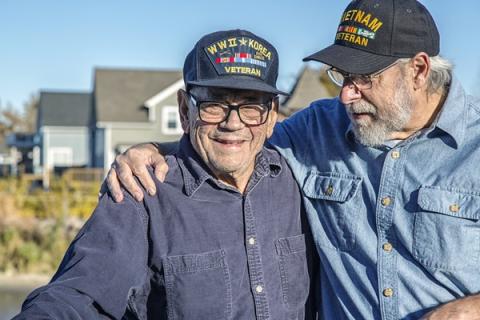
Using Veteran’s Benefits for Long-Term Care
The VA Aid and Attendance benefit
One of the most valuable—and underused—veterans’ benefits for long-term care is the Aid and Attendance (A&A) pension benefit, administered by the Department of Veterans Affairs. This benefit provides monthly payments to eligible veterans and surviving spouses who need help with daily activities such as bathing, dressing, eating, or managing medications.
Aid and Attendance is a needs-based pension, which means it is not tied to service-connected disabilities. Eligible recipients can use the funds toward a range of care settings, including assisted living, in-home care, and memory care communities.
To qualify, a veteran generally must have served at least 90 days of active duty, with at least one day during a wartime period such as World War II, Korea, Vietnam, or the Gulf War. The veteran or surviving spouse must also have limited income and assets, and require assistance with activities of daily living.
How much can the benefit provide?
As of 2026, the monthly Aid and Attendance benefit is between $1,558 and $2,874. That can make a real difference in covering long-term care costs. Over the course of a year, that adds up to tens of thousands of dollars in support. Aid and Attendance can also be used in addition to other VA benefits, including VA health care and disability compensation.
Other VA programs that support long-term care
Beyond Aid and Attendance, several other programs may help veterans access or afford long-term care. The Housebound benefit provides monthly payments to veterans who are substantially confined to their home due to a permanent disability. The Veterans Directed Care program allows eligible veterans to self-direct a budget for home and community-based services, giving them more control over the support they receive. And the Program of Comprehensive Assistance for Family Caregivers (PCAFC) provides stipends, health insurance, and mental health support to family members who serve as primary caregivers for eligible veterans.
Tips for navigating the application process
Applying for VA benefits can feel overwhelming, but you don’t have to do it alone. Veteran service organizations such as the American Legion, VFW, and Disabled American Veterans offer free, accredited assistance with claims. Start gathering documentation early. You’ll likely need military discharge papers, medical records, financial statements, and information about current care needs. And file as soon as possible: VA claims can take several months to process, and your filing date establishes when benefits begin.
Veterans gave years of their lives in service to this country. These benefits exist because that service deserves to be honored, including in the final chapters of life. If you’re not sure whether you or a loved one qualifies, don’t assume the answer is no. Reach out to a veterans service organization, talk to a VA benefits counselor, or ask the senior living community you’re considering whether they have experience helping veterans navigate the process. Many do. The paperwork can feel like a hurdle, but the support waiting on the other side of it is worth the effort.